Bridging the Gap: Making Carbon Markets Work for Brazil’s Smallholders
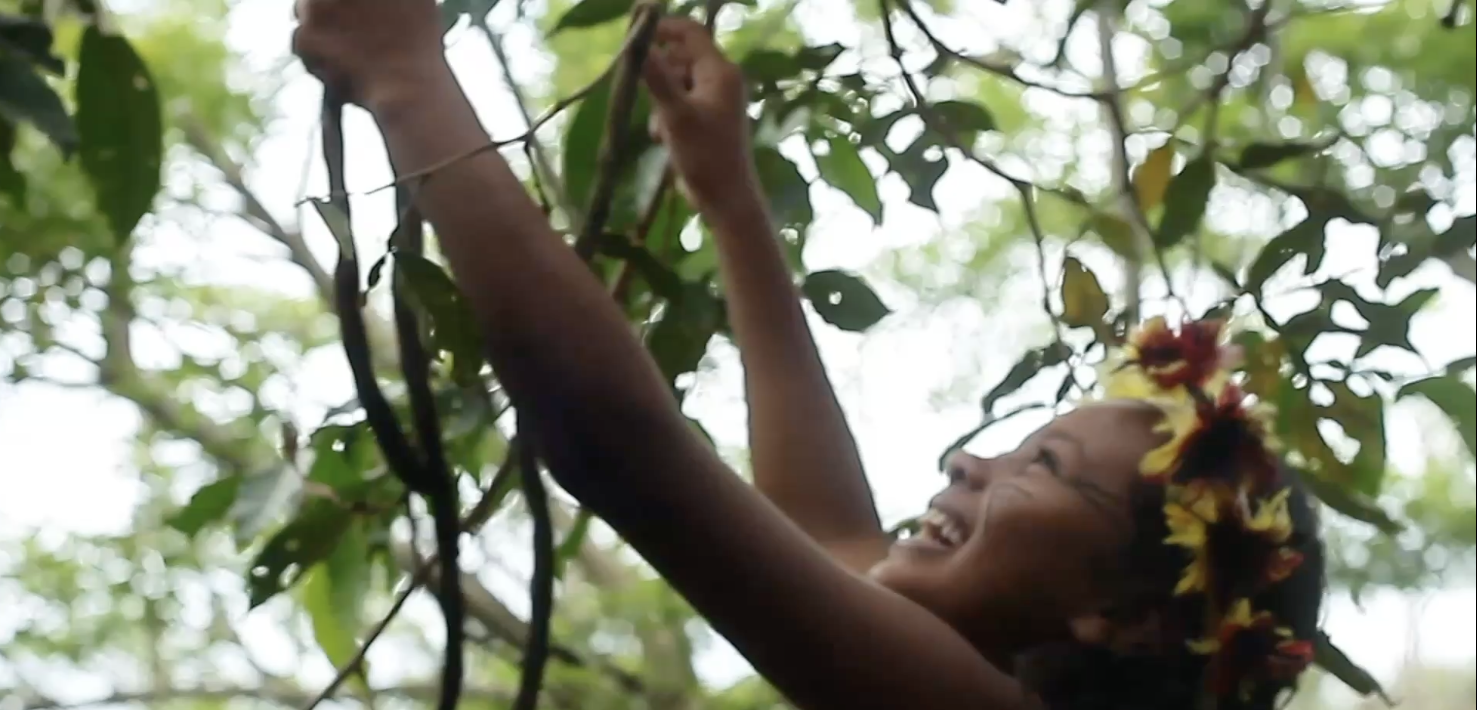

On the humid coast of southeastern Brazil, the Atlantic Forest covers a mere 10% of its former territory — one of the world’s most threatened biodiversity hotspots. Rapid population growth and deforestation have fragmented ecosystems and put water security at risk. Farmers have watched springs grow unreliable season by season, and communities have feared losing their water sources entirely.
This is the story of the point of no return, spearheaded by iNovaland — a company founded in 2020 by Andrew Heald and Luis Neves Silva with a simple mission: to make forest and landscape restoration investable, bankable, and impactful. Working alongside farmers, community leaders, businesses and governments across projects from Ghana to Brazil, iNovaland is forging new socioeconomic pathways through landscape restoration.
“Our work has been there to become a bridge. Achieving such an impact does not come by planting just a tree and leaving. Most of our work is as much about people as it is about trees and biodiversity.”- Rose Kobusinge, iNovaland
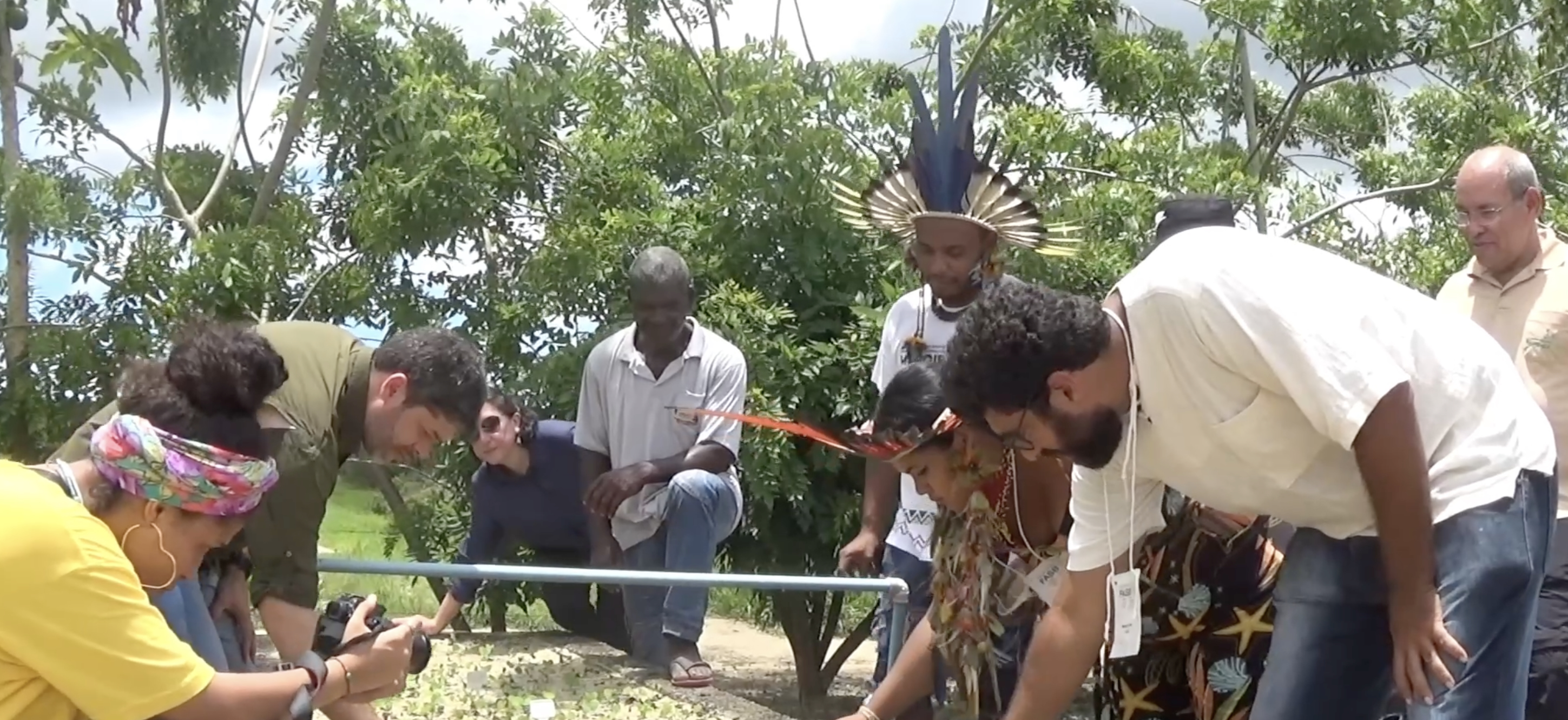
iNovaland’s approach involves consolidating and working with smallholder farmers and land owners that would otherwise not benefit from traditional forest restoration funding architecture. They bring private financing to projects and build long term partnerships. The company works with major investors and funders, and operates with one main goal: to make forest and landscape restoration investable, bankable and impactful. An example is, within the Atlantic Forest, iNovaland has been working with the quilombolo community of Ribeirão, where 25 hectares have been planted with indigenous and native tree species. The company is also changing power dynamics by designing with women and young people as leaders and entrepreneurs. One of the key drivers of change on the ground is local farmer and agroforestry expert Marilza Machado, whose work centers on extracting and commercialising essential oils from the recovering forest- creating income through products like handmade soaps. iNovaland supports her work by providing equipment and development resources. As she told the organisation:
“Adding value to the production of these handmade soaps and launching our own brand, income generation combined with standing forests through well-planned reforestation is a path of no return. This means more food on our tables, more dignity and a better quality of life for our people.”- Marilza Machado, iNovaland Annual Report
Open Forest Protocol: Monitoring as a Tool for Justice
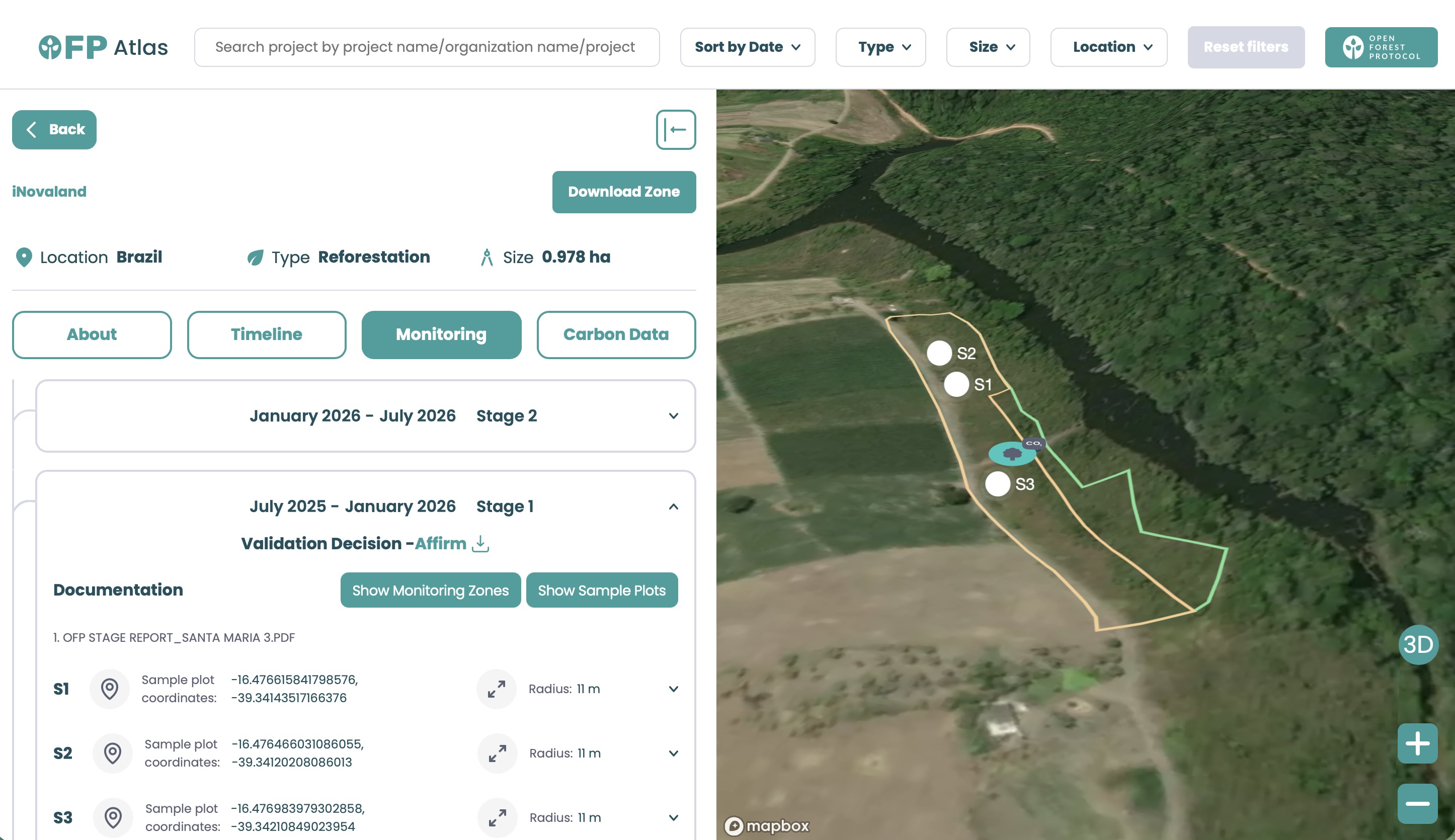
Before OFP, iNovaland managed forest data through Excel spreadsheets. The OFP system has enabled tracking of richer indicators like biomass gain, while making it possible for smallholder farmers to access carbon markets they were previously priced out of.
“Because OFP allows us to aggregate smaller plots, one of the innovations that we bring to our restoration work is bringing farmers together — their plots being restored are not seen as individual, but rather at a landscape level. The OFP system allows us to address that justice angle that is structured within the carbon credits, carbon market structures.”- Rose Kobusinge, iNovaland
Early Signs of Return

Spring flow is improving as forest corridors reconnect fragmented ecosystems, and communities that fear losing water are reporting more reliable sources year-round. Local landowners and farmers are coming together, envisioning the bioeconomies they want, and building a new collective identity around restoration.
Andrew describes iNovaland’s role with a kitchen metaphor: all the ingredients are already there — the ideas, the expertise, the community knowledge. “You can have all the ingredients to a recipe and still not have a cake. You need to bring everyone together in the kitchen.” With a restoration timeline stretching 30 to 40 years, iNovaland’s work is a generational commitment and a proof of concept that smallholder farmers, with the right tools and the right partners, hold the keys to just, community-centred, data-credible restoration.


Get the freshest news
Sign up with your email address to receive fresh news and updates.
Latest posts

Creating the highest integrity and most verifiable nature-based carbon credits, at scale.
.png)


