The Agroforestry Project Bringing Indian Farmers into the Global Carbon Economy
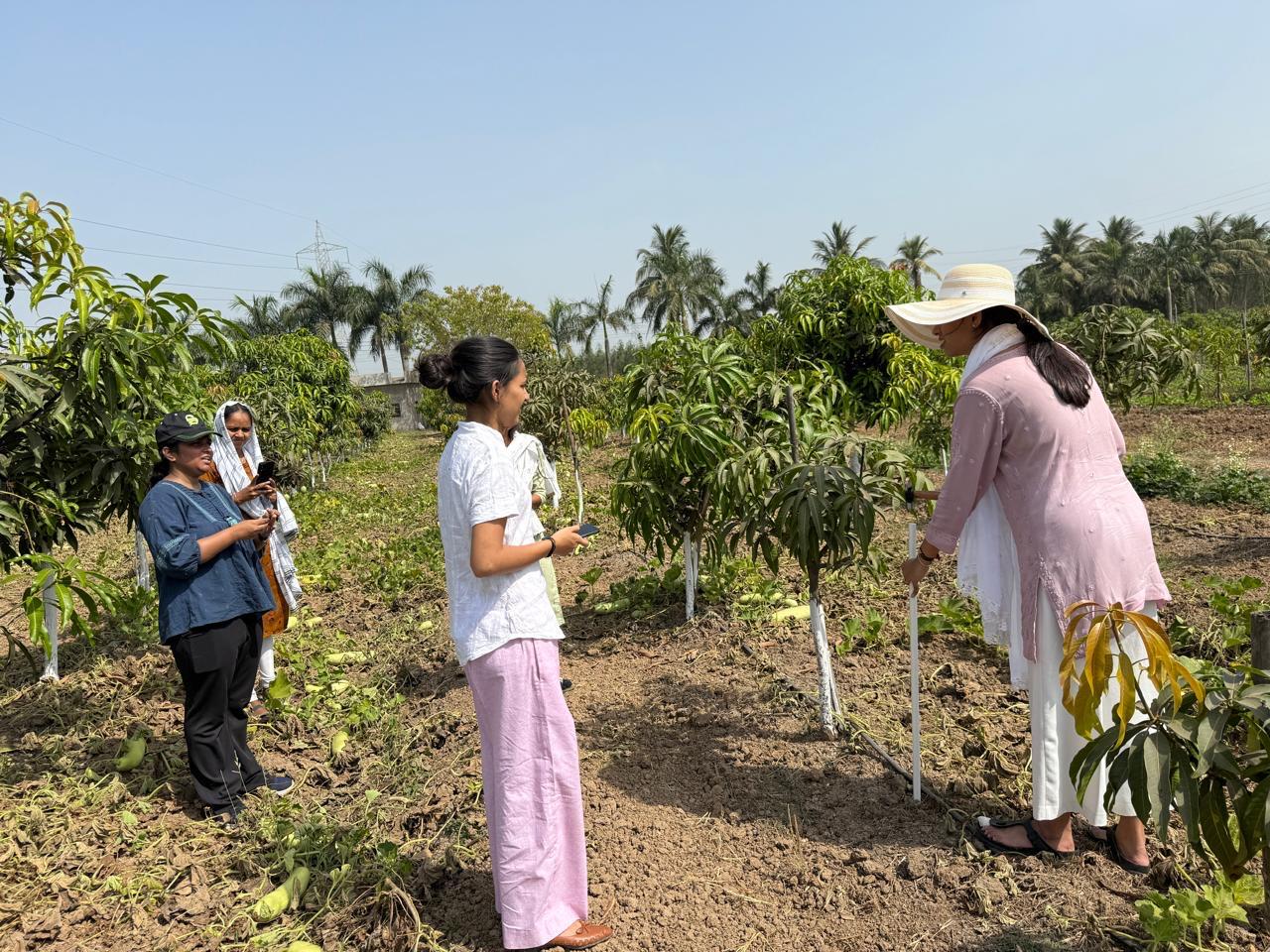

In the northwestern Indian state of Gujarat, in the village of Jhoka, the soil was tired. Years of intensive sugarcane cultivation had left it compacted and exhausted despite heavy fertilizer inputs. The land was no longer responding the way it should. Farmers were running out of options and facing a lack of income, as well as the loss of a key cultural identity for them and their families,
For many, it stretches back through generations. The established market, the familiar rhythms, and the sense of security sugarcane once provided slowly narrowed.
“Every season demanded more investment — more water, more fertilizer, more labor. But the return was becoming increasingly uncertain. There was a constant pressure, almost like chasing stability that never really came."- Khushi, Carbon Analyst at The Earthist

From Mangoes to the Global Economy
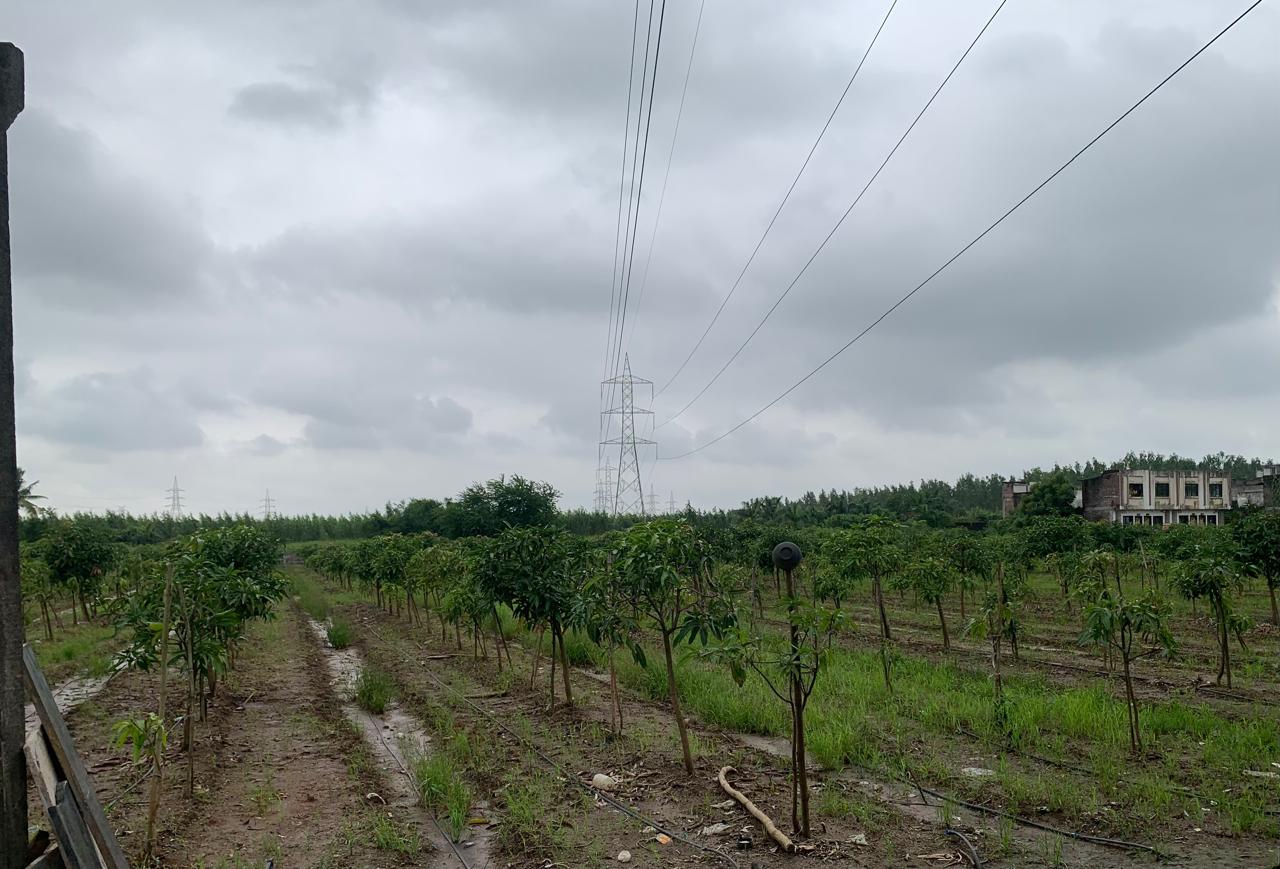
When The Earthist began working with the villagers of Jhoka, they collaborated on a new system that would transition the community away from sugarcane cultivation into a diversified range of crops. Cohesively, they designed a layered agroforestry model: moringa for near-term returns, coconut for the medium term, and mango as a long-term asset that would grow in value alongside the land itself.
"The real shift happened when farmers stopped asking 'will this work this year?' and started thinking 'will this sustain me for the next 10 to 15 years?'"- Khushi, Carbon Analyst, The Earthist.
Over time, community members began to ask more about the long term system, how carbon markets worked, and how this could create a sustainable revenue source that benefitted the land and the people. They wanted to know how a mango orchard in Gujarat could connect to a global climate economy.
20/20 Vision with OFP
Before adopting the Open Forest Protocol, The Earthist's own MRV (Measurement, Reporting, and Verification) process relied on paid field visits, scattered data points, spreadsheets, and static photographs. Utilizing OFP was a fundamental redefinition of how trust gets built in climate projects, and who benefits:
"OFP doesn't just reduce costs. It democratizes access. It brings smallholder farmers — who are often at the frontline of climate impact — into a system where their efforts are finally recognized, valued, and monetized."
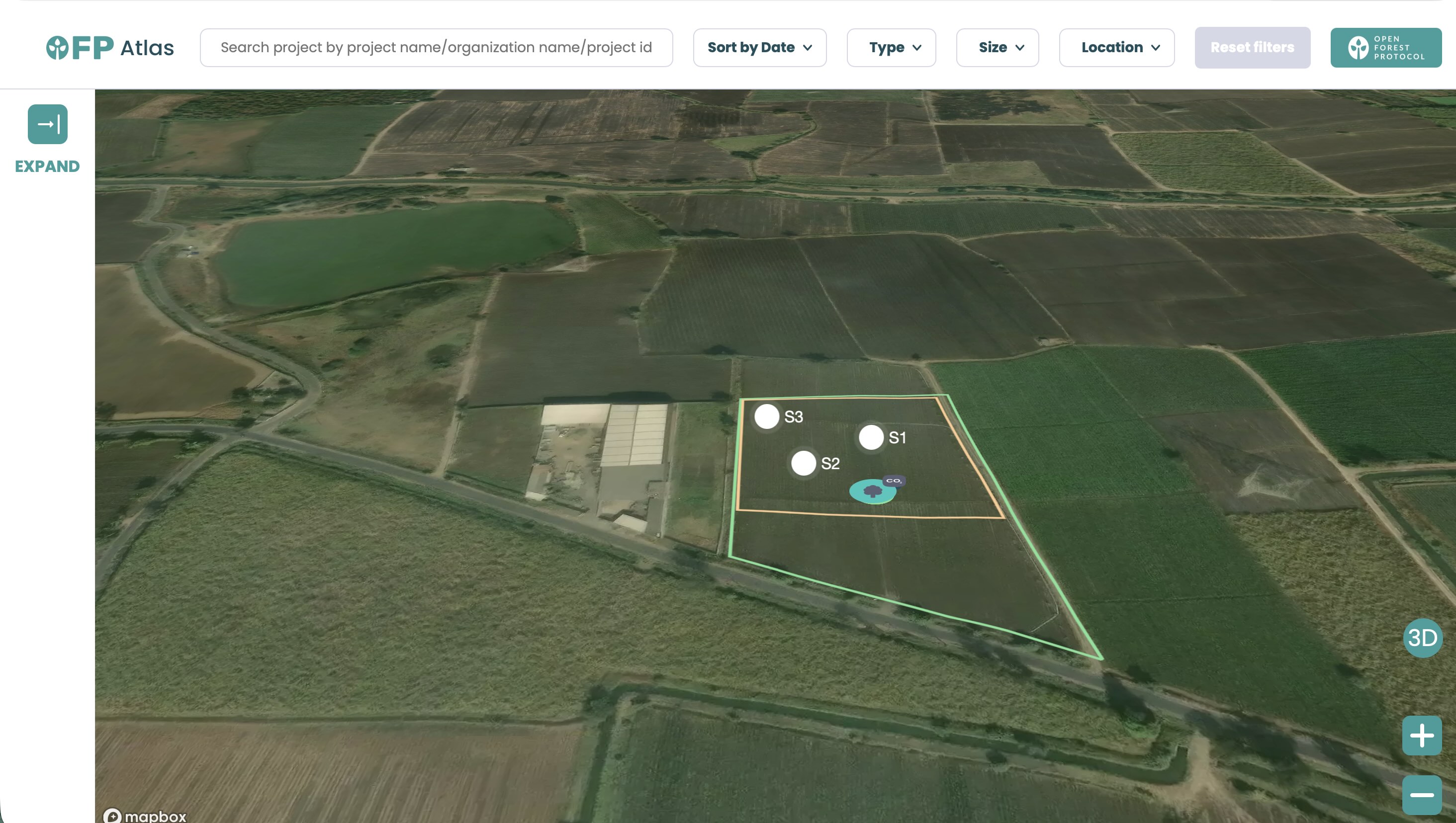
With geotagged, timestamped, and new data uploads multiple times a year, every tree and every activity on the farm became traceable and verifiable. The dashboard replaced the spreadsheet. The impact on the ground was now being represented as truthfully and dynamically as it actually existed.
For the first time, a 1.5-hectare farm in rural Gujarat had a credible, standardized, verifiable record of its climate impact, one that could be trusted at a global level.
The Earthist currently has two registered projects under OFP and five more in application.


Get the freshest news
Sign up with your email address to receive fresh news and updates.
Latest posts

Creating the highest integrity and most verifiable nature-based carbon credits, at scale.
.png)


